How to Easily Check If a Link Is Dofollow or Nofollow (No Tools Needed)
How to Check Dofollow and Nofollow Links? If you are working on SEO or trying to grow your website’s authority, this is a question you will eventually ask. Backlinks are one of the strongest SEO ranking factors, but not every backlink passes value in the same way. Some boost your rankings directly, while others help with referral traffic or diversity.
Knowing whether a backlink is dofollow or nofollow helps you understand the true strength of your link-building strategy. In this guide, we will explain what these link types mean, why they matter, and how you can check them both manually and with tools.
Quick Refresher: What Are Dofollow and Nofollow Links?
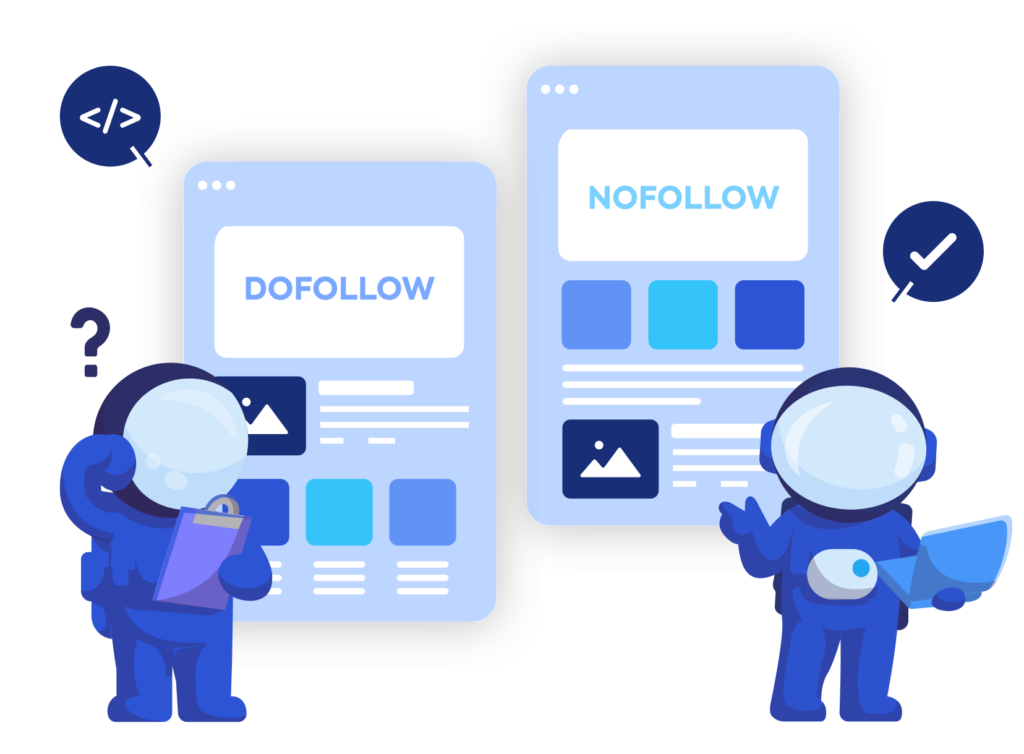
A dofollow link is the default type of link. It passes SEO authority, often called “link juice,” from the linking site to the target site. These are the links that directly help your website climb higher in search rankings.
A nofollow link is a link with an extra attribute in its HTML code:
<a href=”https://example.com” rel=”nofollow”>Example Website</a>
This tells search engines not to pass link equity. Nofollow links were created to fight spam but are also used in ads, sponsored posts, and user-generated content. They may not boost rankings, but they still send traffic and help create a natural backlink profile.
Why Checking Links Matters for SEO
If you are building backlinks, it is not enough to simply know how many you have. You need to know which ones are dofollow and which are nofollow. Dofollow backlinks are the ones that push your rankings upward, while nofollow links add balance and traffic.
Checking link types helps you:
- Measure the true authority of your backlink profile.
- Identify opportunities to earn more dofollow links.
- Understand competitor strategies by analyzing their ratios.
- Avoid relying too heavily on one type of backlink.
In short, checking backlinks gives you a clearer picture of how your SEO efforts are really working.
Method 1: Check Link Code Manually
The simplest way to see if a link is dofollow or nofollow is to check its HTML code.
- Open the page that contains the backlink.
- Right-click on the link and select “Inspect” or “View Page Source.”
- Look at the code. If you see rel=”nofollow”, it is a nofollow link. If you do not see that attribute, it is a dofollow link.
For example:
- Dofollow:
<a href=”https://yoursite.com”>Your Site</a>
- Nofollow:
<a href=”https://yoursite.com” rel=”nofollow”>Your Site</a>
This method works every time, but it can be slow if you need to check many links.
Method 2: Use Browser Extensions
If you do not want to look at code every time, browser extensions make it easier. Tools like MozBar, Ahrefs SEO Toolbar, and SEOquake highlight links on a page and show whether they are dofollow or nofollow.
With one click, you can see the attributes of every link on a page. This is especially useful when checking competitor websites or auditing your own backlink profile quickly.
Method 3: Use SEO Tools
Professional SEO tools give you the most complete view of your backlinks. Platforms like Ahrefs, SEMrush, and Moz provide full backlink reports, showing:
- Which domains link to you.
- Whether those links are dofollow or nofollow.
- Anchor text distribution.
- Authority metrics of linking sites.
Free backlink checkers can also provide basic insights, though they are often limited compared to paid tools. If you are serious about link building, investing in a professional tool will save you time and give you deeper data.
How to Check Competitor Backlinks
Checking your own backlinks is important, but analyzing your competitors can reveal even more opportunities. Tools like Ahrefs and SEMrush let you see which sites are linking to your competitors and whether those links are dofollow or nofollow.
If you find that competitors are earning dofollow links from guest posts, resource pages, or directories, you can target those same opportunities. Competitor backlink analysis helps you build smarter outreach campaigns and uncover gaps in your own strategy.
Why Do Some Backlinks Have Nofollow?
Not every site wants to pass link equity. There are several reasons why backlinks are marked as nofollow:
- Spam prevention: Many blogs and forums make user-submitted links nofollow to stop people from spamming.
- Paid or sponsored content: Google requires paid links to be marked with rel=”nofollow” or rel=”sponsored.”
- User-generated content: Comments, forum posts, and profiles often default to nofollow.
- Caution from site owners: Sometimes a site references another but does not want to “endorse” it for SEO.
This means that nofollow links are not mistakes. They are intentional and serve a specific purpose.
How Many Types of Backlinks Exist Today?
Google recognizes more than just dofollow and nofollow links. The main types are:
- Dofollow backlinks: Pass SEO authority and improve rankings.
- Nofollow backlinks: Do not pass authority, but still provide referral traffic and balance.
- Sponsored backlinks: Marked with rel=”sponsored”, used for paid promotions or ads.
- UGC backlinks: Marked with rel=”ugc”, used for user-generated content such as comments and forums.
Together, these link types create a natural and diverse backlink profile. Having a mix of them signals healthy growth to search engines.
Best Practices for Using Dofollow and Nofollow in Link Building

To get the most out of your backlink strategy, follow these best practices:
- Focus on quality over quantity. A single dofollow link from a trusted site can be more powerful than dozens of weak links.
- Do not ignore nofollow links. They bring traffic, visibility, and balance to your backlink profile.
- Build links organically. Avoid buying links from low-quality sites, which can lead to penalties.
- Diversify your anchor text. Overusing the same keywords in dofollow links can look unnatural.
The goal is not to chase numbers but to build a profile that looks natural and trustworthy.
Wrapping It Up
Dofollow and nofollow links may look identical on the surface, but they play very different roles in SEO. Dofollow backlinks pass authority and directly influence rankings, while nofollow backlinks add balance, traffic, and authenticity. Checking which type of backlinks you have is essential if you want to understand your site’s true SEO strength.
You can check them manually by inspecting code, use browser extensions for quick checks, or rely on professional SEO tools for full reports. The more you understand your backlink profile, the better decisions you can make for your link building strategy.
If you want expert help building strong backlinks and auditing your profile, Click Typhoon’s SEO in Barrie services can guide you every step of the way. Our team specializes in competitor backlink analysis and strategies that actually move the needle. Get in touch today and start building backlinks that count.
Follow us on our socials here:
Check out some of our blogs to help with your SEO needs: